

“The true test of timelessness in architecture is whether it continues to inspire and delight future generations,” – Daniel Libeskind
At its core, architecture has always been a natural reflection of the times we live in, trends we follow, and cultures we represent. Just think about your childhood home and how closely it resembled other houses in the neighborhood. The problem with building according to specific trends, however, is that a building far outlasts the trends it embodies. What was once considered stylish may later become dated, requiring expensive updates that can diminish both character and value.
Timeless architecture, on the other hand, helps us create buildings that keep on giving. It means to design with intention and durability in response to a building’s environment. But that’s just half of the story. You also need to instill a spirit of place (genius loci) that resonates with both current and future inhabitants on a deep level. And this, is often the tricky part.
Architect Christopher Alexander writes about this architectural enigma in his book “The Timeless Way of Building” saying that a building is classically beautiful because of the ‘Quality Without A Name’ (QWAN). This quality, according to him, is something indescribable. It’s the quiet harmony between space, light, material, and purpose that makes the building feel “just right”.
Still, there are some tangible qualities timeless architecture can exhibit, like:

1. Aesthetics: Rhythm, scale, and proportion
For a building to be considered timeless, it obviously needs to be easy on the eyes. While beauty is subjective, certain classical principles remain foundational: balanced proportions, clear lines, rhythmic repetition, symmetry (or deliberate asymmetry), and an intentional play of light and shadow. When used correctly, these elements help create a building that feels comfortable and alive.
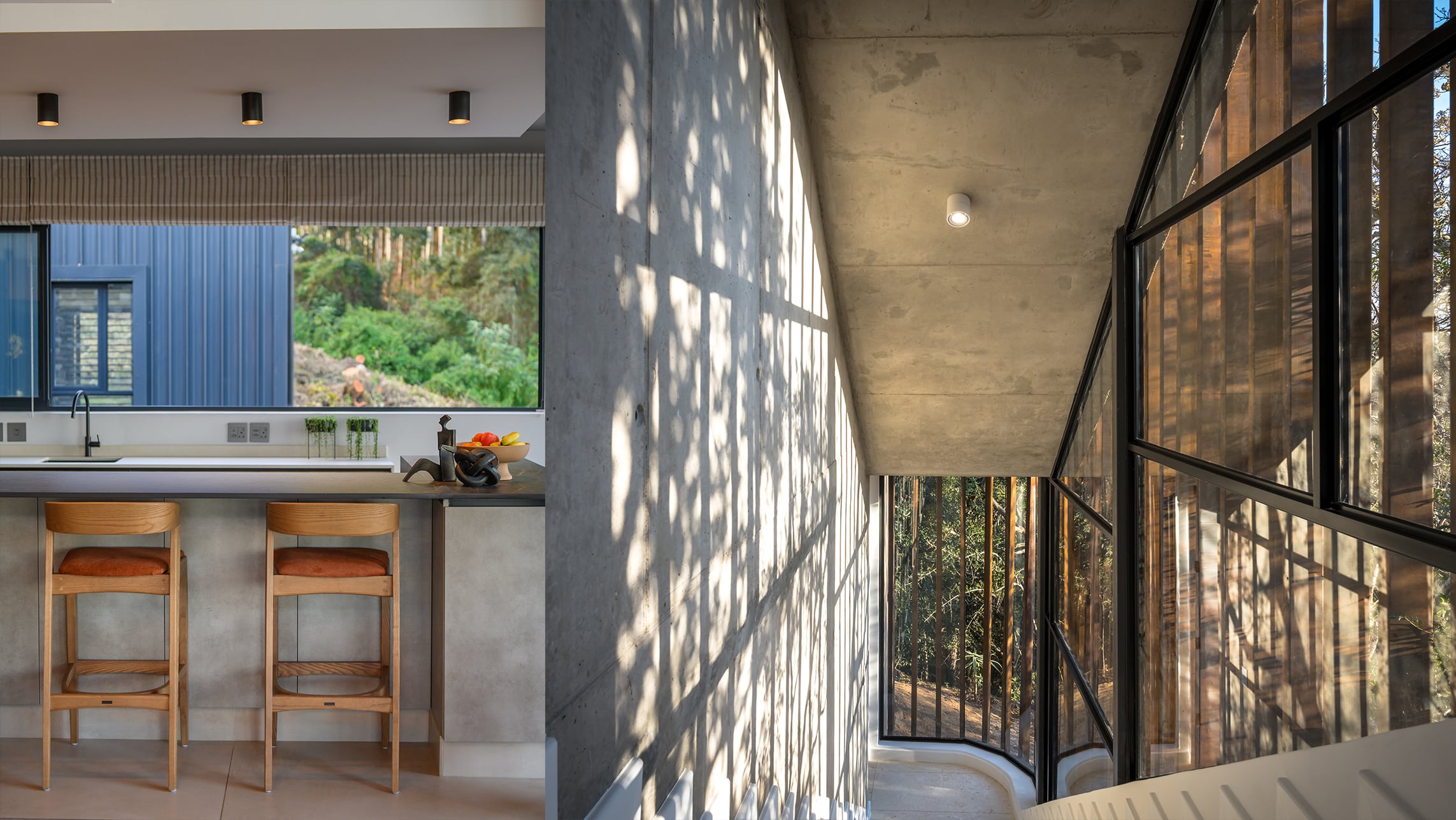
2. A harmony with the natural landscape
A timeless building needs to fit perfectly into the surrounding landscape. It mustn’t disrupt the terrain but instead be tucked between trees or anchored into a hillside in a way that looks and feels natural.
Equally important is how the building responds to nature. Does it allow the sun, wind, and rain to stain, crack, chip, and discolour the materials in such a way that they add character and appeal but not decay?
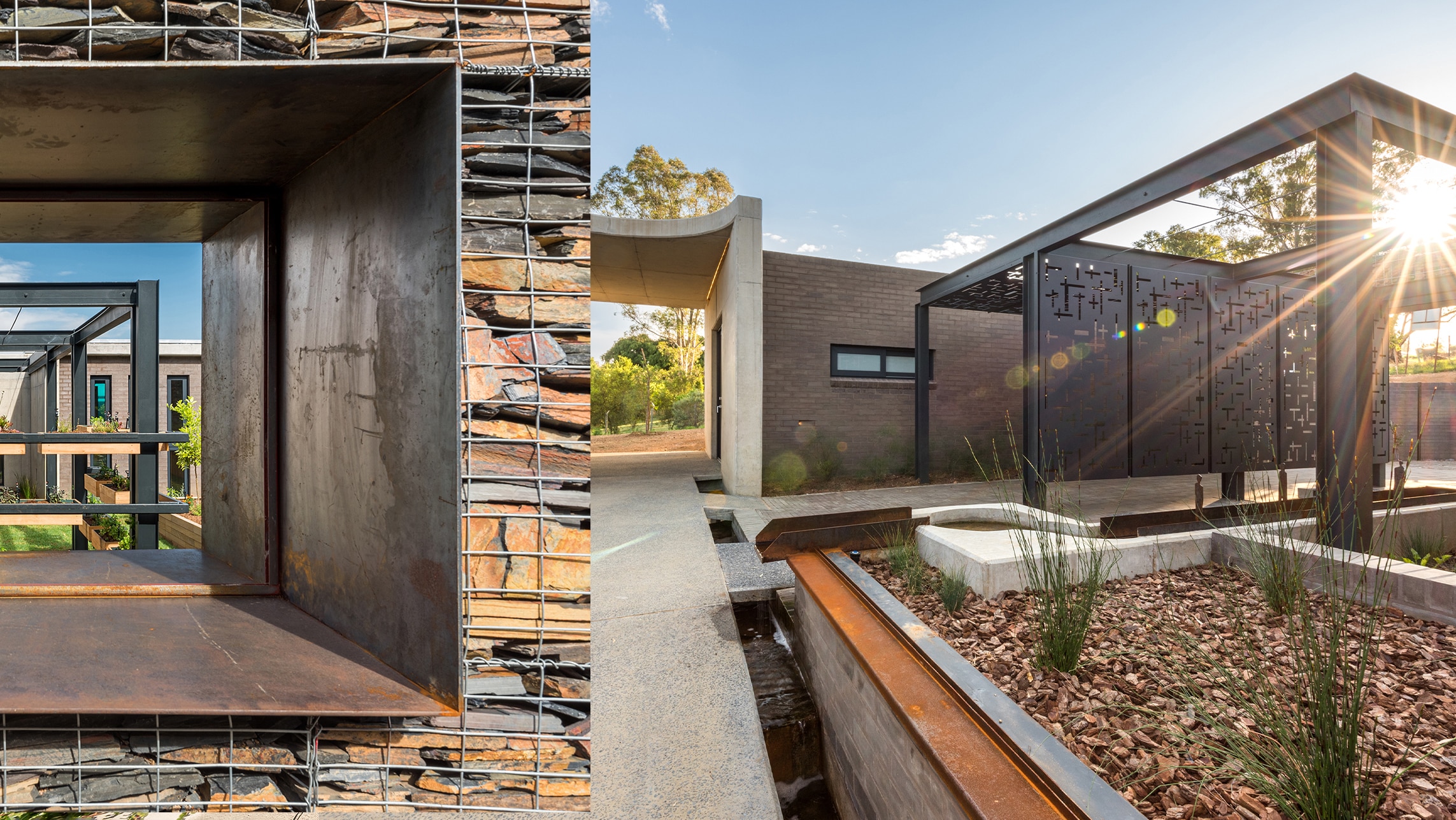
3. Physical, functional, and emotional longevity
Timeless design is about more than appearances. It also considers how a space lives. A building must be made from durable materials, built to withstand time and use, and designed to evolve with the needs of its occupants. It should also support flexibility, invite human connection, and feel relevant decades later for it to truly be durable.
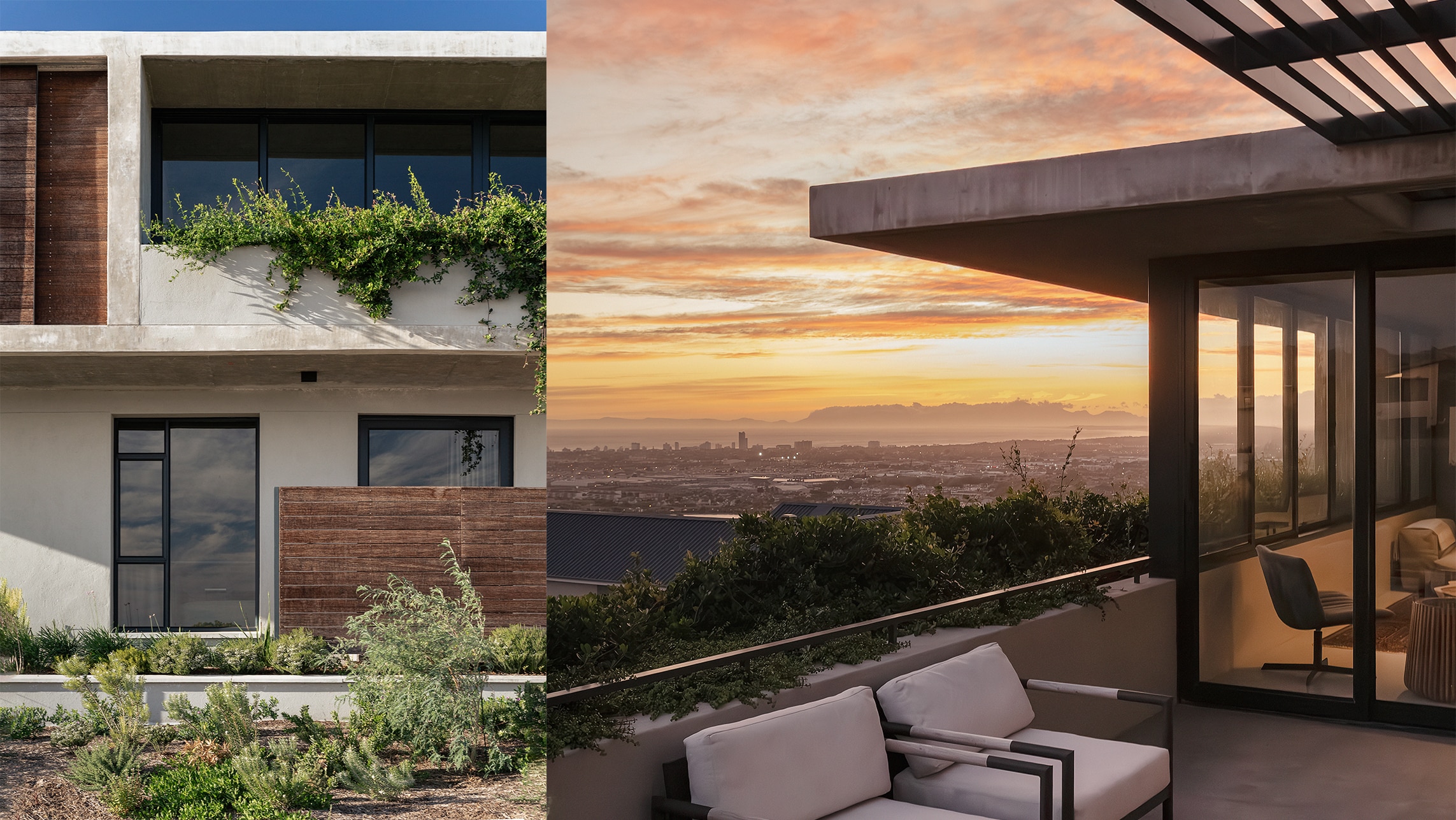 4. Sustainable design
Timelessness and sustainability are closely intertwined. A timeless building minimises waste, reduces environmental impact, and uses resources responsibly. It makes use of long-term energy efficiency through passive design principles like natural ventilation, thermal massing, and orientation for optimal light. And ultimately, designing for longevity is in itself an act of sustainability.
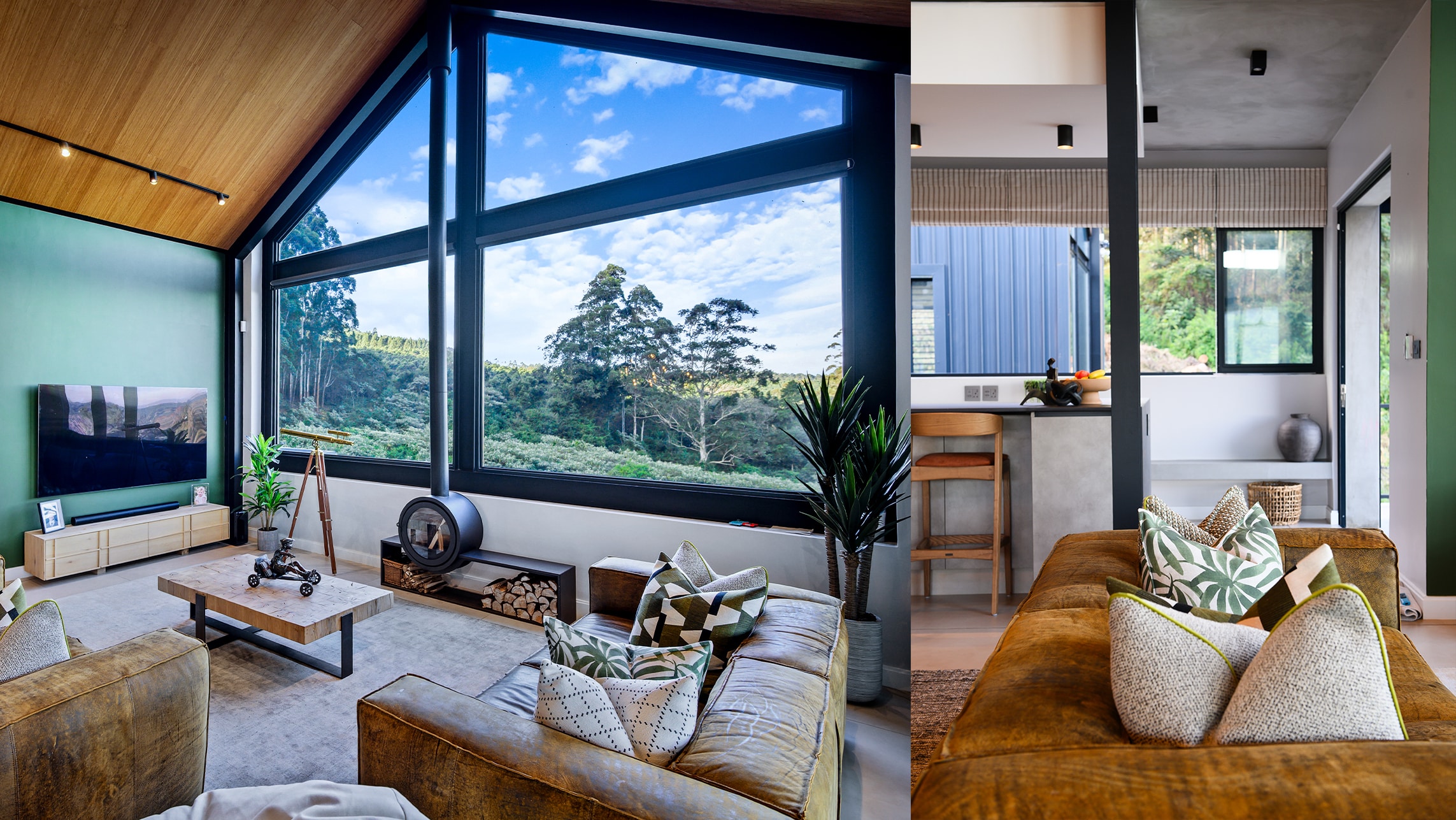
5. Materials that weather beautifully
The materials architects choose for a building matter. The right materials improve with age, rather than deteriorate. Think of stone that gains character, timber that deepens in tone, brick that softens with wear. Recycled and repurposed elements can also enhance the story of a building, as long as they age gracefully. Neutral colours and earthy textures tend to outlive visual trends.
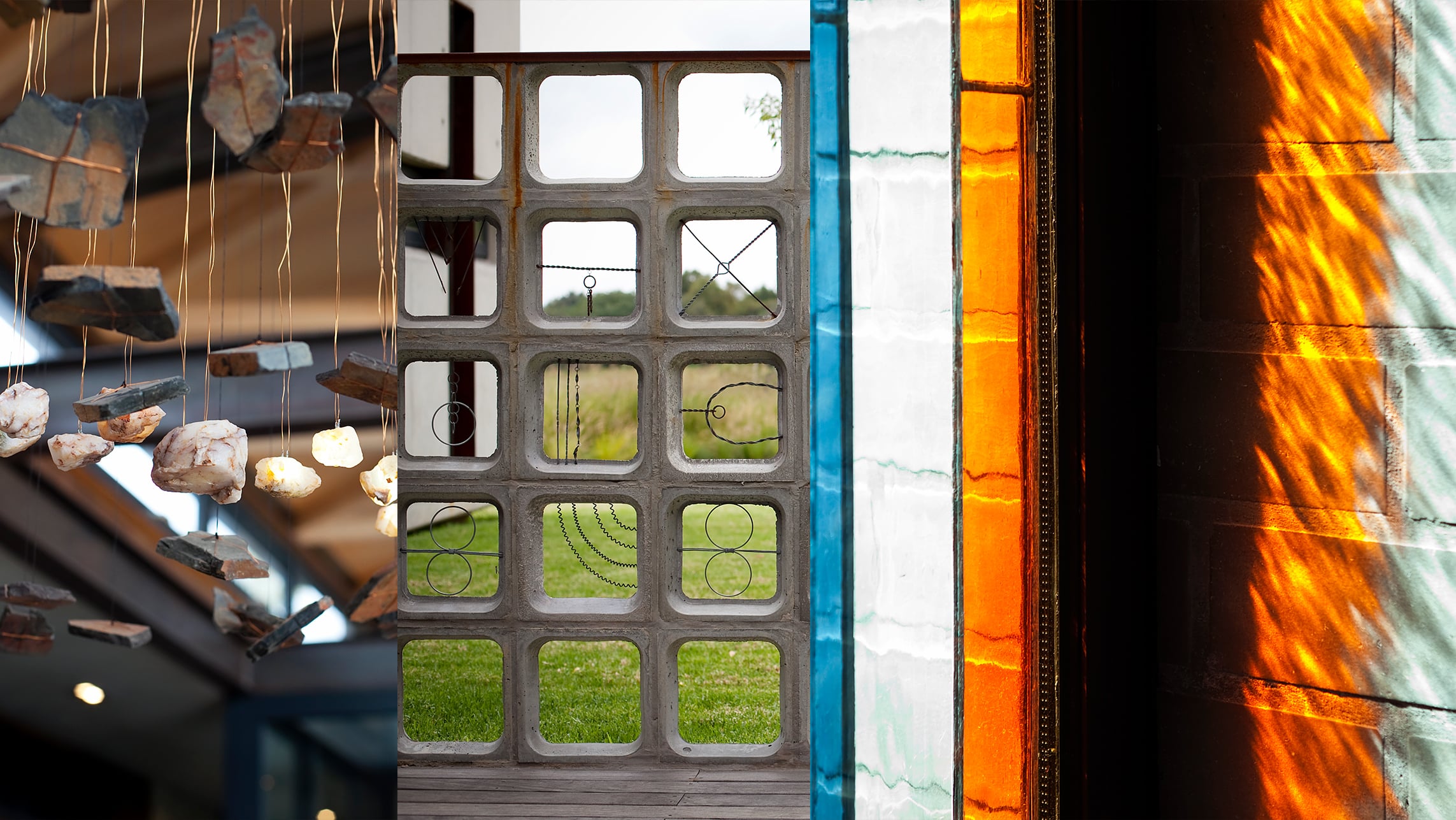
6. Expert craftmanship
Craftsmanship is the soul of timelessness. A design may be beautiful on paper, but it’s the hands that shape and assemble it that determine its longevity. When done with care and precision great craft can give a building the quiet confidence it needs. And as we all know: quality never goes out of style.
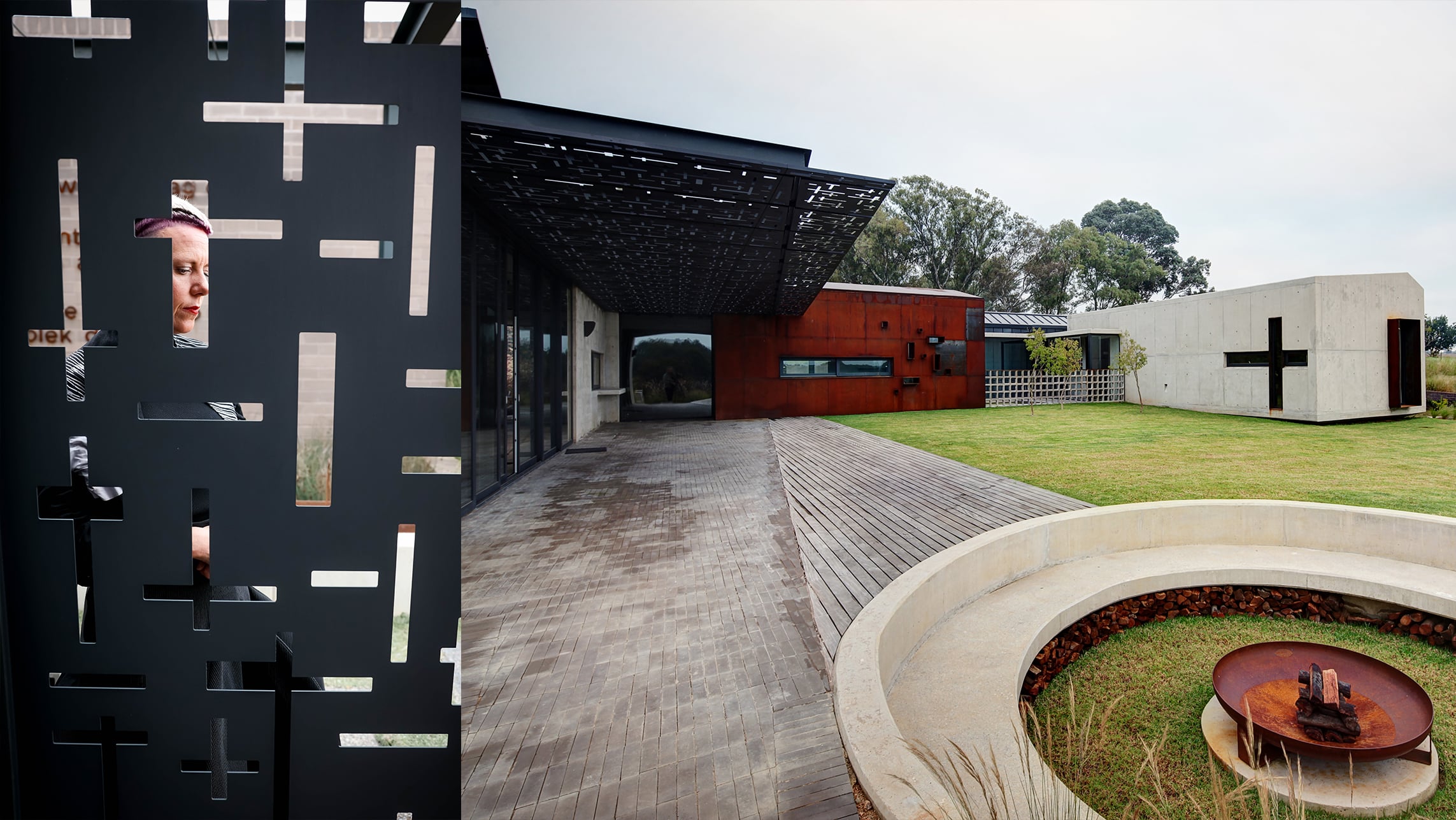
7. Symbolistic interpretation
Good architecture often holds meaning beyond its function. A building with cultural, spiritual, emotional or historical layers embedded into its form, materials or in its details tends to connect with people on a deeper level, thereby creating memory and identity.
At Veld Architects, we believe that timeless architecture is a natural result of designing conscientiously. The built environment can directly impact the health of humans and the planet positively or negatively. By prioritising user-centric, resilient, and sustainable design, architects have the power to give any building timeless appeal.
Join the Veld Lifestyle.
Make your next design a VELD design.
xxx
Love,
Gill
